
B1-B2
Germany Meets Its 2025 Climate Limit but Faces a Harder Road Ahead
A mid-level article about the 2025 climate report and disagreement inside the government. An upper-intermediate version that keeps the same data and policy tension from the DW report.
Based on source story: Germany's Climate Protection measures are barely on target from DW News
Change level
Open the same story in another CEFR level whenever you want an easier or harder version.
News language
Switch this story between the English lesson and the translation in your selected site language.
Play browser audio
Browser audio
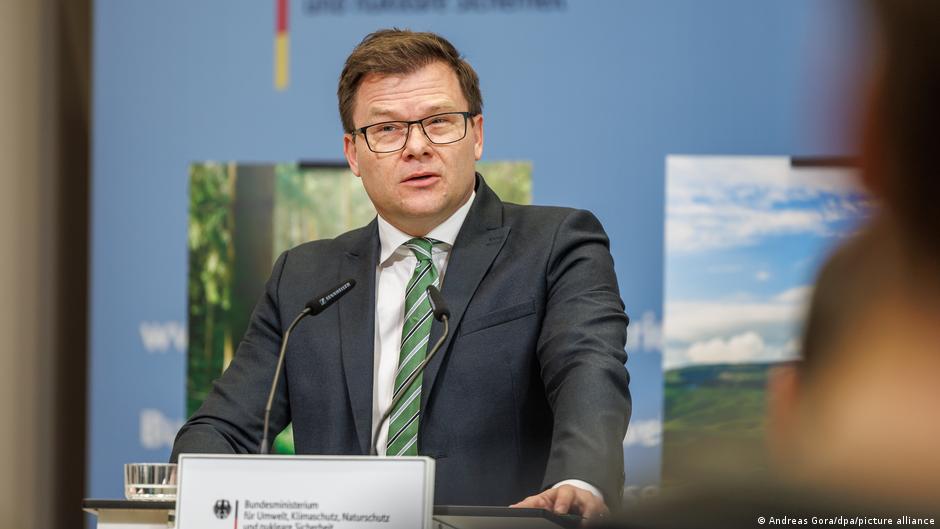
Germany's latest climate report says the country stayed within its 2025 emissions limit, but only by a very small Greenhouse gas emissions fell by just 0.1%, reaching 648.9 million tons of CO2 equivalents. Environment Minister Carsten Schneider said this shows Germany is still meeting its promises, yet he also admitted that overall progress has been too slow and that climate policy must recover speed.
The report points to transport and buildings as the main weak areas. Electric cars made up only about 19% of new last year, which means most drivers still bought petrol or diesel vehicles. In addition, the government of Chancellor Friedrich Merz wants new gas-fired power plants and has down the previous law that pushed new heating systems toward renewable energy. Germany wants to cut emissions to 65% below 1990 levels by 2030, but it has only reached 48% so far, leaving a difficult path ahead.
Germany has met its climate target for 2025, but the result offers little room for celebration. According to the government's climate report, emissions dropped by only 0.1% last year, leaving total greenhouse gas output at 648.9 million tons of CO2 equivalents, just 12.8 million tons below the legal limit. Environment Minister Carsten Schneider welcomed the result but stressed that the pace of change remains too slow if Germany wants to meet its future goals.
The tension becomes clearer when current policy is examined. The government of Chancellor Friedrich Merz supports new gas-fired power plants, and it has weakened earlier rules that strongly renewable heating systems such as heat pumps. At the same time, transport and buildings continue to perform badly, with most newly registered cars still running on petrol or diesel. Germany is already required to cut emissions to 65% below 1990 levels by 2030 and to 88% by 2040. Since it has only reached 48% so far, critics argue that new on fossil fuels could make those promises much harder to keep.
Key words from this story
Study card
Useful chunks for daily speech
Save chunk