
C1-C2
Egyptian Ape Fossils Reopen the Debate on Ape Origins
An advanced version of the report with more scientific nuance and framing.
Based on source story: 18 million-year-old fossils of ape found in Africa, but in an unexpected place from Live Science
Change level
Open the same story in another CEFR level whenever you want an easier or harder version.
Tip
Select any word in the English text to open the word pop-up with translation, audio, and save options.
Play browser audio
Browser audio
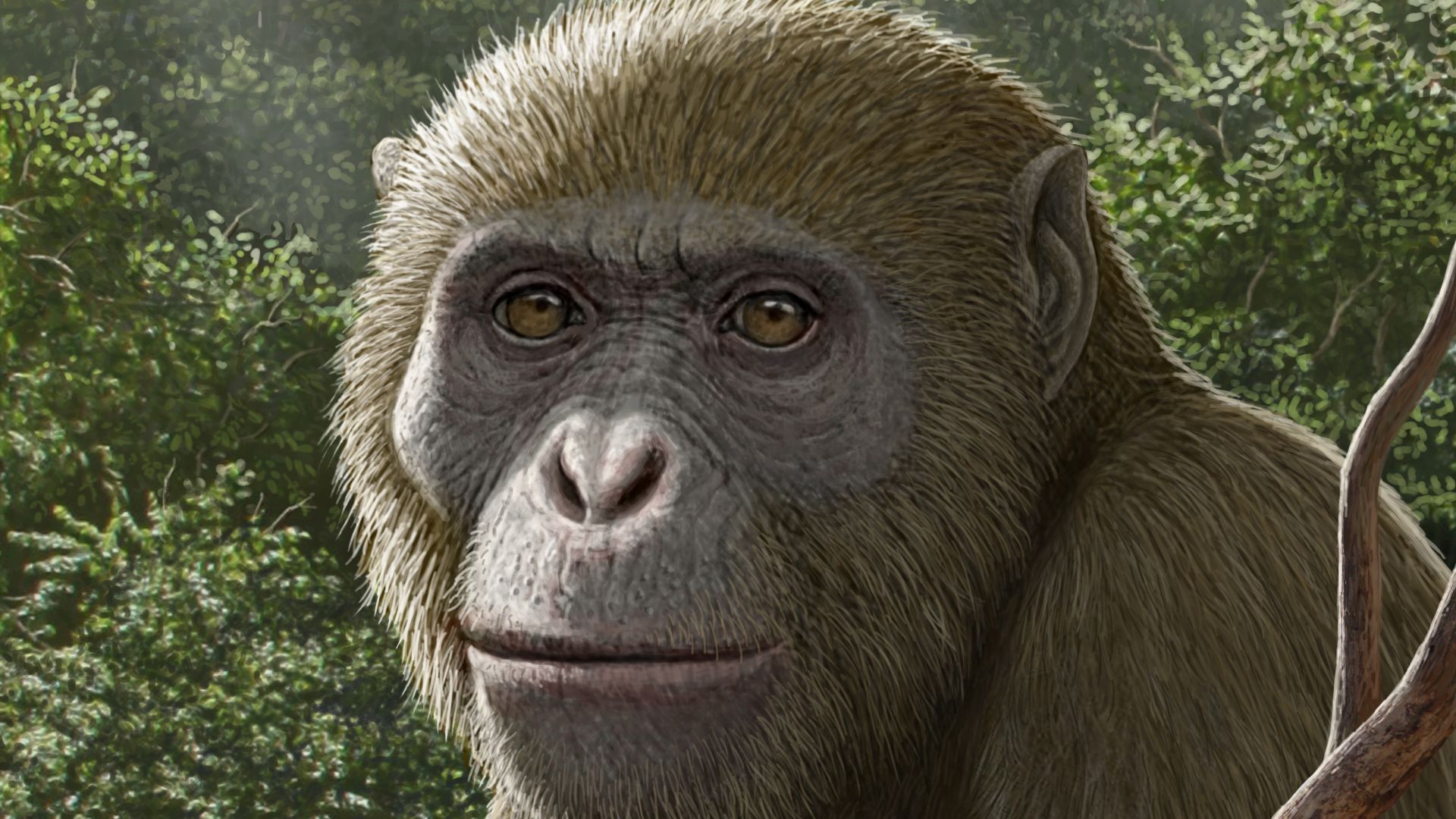
An 18-million-year-old ape from northern Egypt is prompting a serious of early ape evolution. The assumption has long placed the roots of modern apes in East Africa. Yet the new material raises the possibility that northeast Africa or Arabia formed part of the evolutionary setting from which those lineages emerged.
The remains, recovered in 2023 and 2024, are meagre: fragments of lower jaw and worn teeth. Even so, the researchers argue that the cannot be assigned to any previously identified ape. They therefore named a new genus and species, Masripithecus moghraensis, linking the find directly to Wadi Moghra in Egypt.
The importance of the discovery lies not only in its age but also in its Ape fossils from this interval are exceptionally rare, and evidence from this region has been limited. For that reason, outside specialists described the as precious evidence that could complicate the standard East Africa narrative without yet replacing it outright.
Key words from this story
Study card
Useful chunks for daily speech
Save chunk