
B1-B2
Egypt Fossils Challenge the Usual Ape-Origin Story
A mid-level report on the Egyptian fossils and the debate they reopen.
Based on source story: 18 million-year-old fossils of ape found in Africa, but in an unexpected place from Live Science
Change level
Open the same story in another CEFR level whenever you want an easier or harder version.
Tip
Select any word in the English text to open the word pop-up with translation, audio, and save options.
Play browser audio
Browser audio
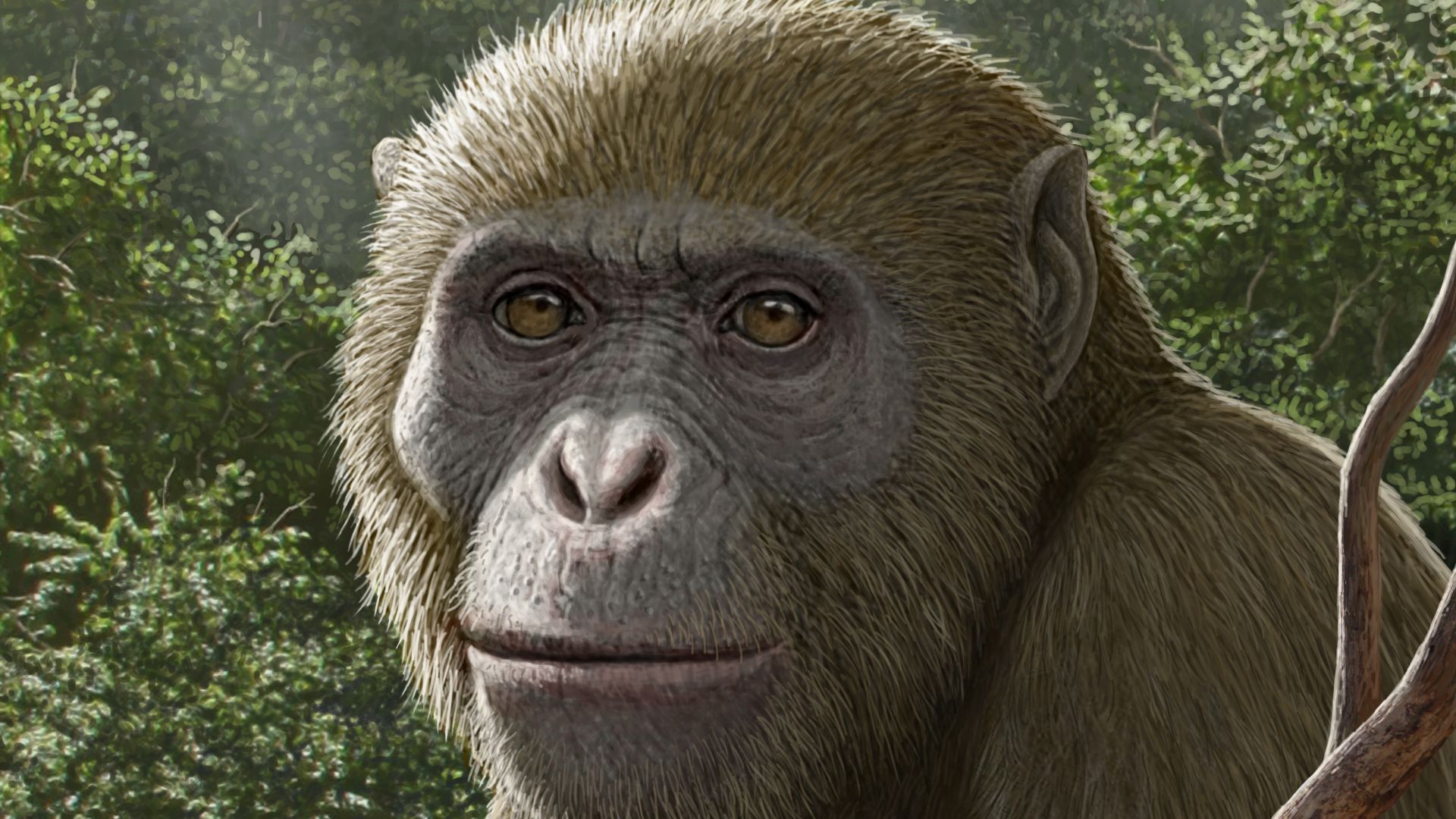
Newly described ape fossils from northern Egypt are forcing researchers to a long-standing idea about where the of living apes first appeared. For decades, East Africa seemed the most likely starting point. The new remains suggest that northeast Africa or Arabia may also have played a central role.
The fossils were uncovered in 2023 and 2024 and consist of of lower jaw and several worn teeth. Although the material is limited, the research team concluded that it belonged to no known ape species. They therefore created a new genus and species, Masripithecus moghraensis, for the animal.
The study matters because fossils from this period are and because the Egyptian site sits outside the region that usually dominates the debate. Independent experts said any new ape fossil is valuable, especially when it comes from a place where such evidence had gone largely unnoticed. The discovery may not settle the question, but it broadens the map of possible ape origins.
Key words from this story
Study card
Useful chunks for daily speech
Save chunk