
C1-C2
Neanderthal Genome Sharpens the Picture of Altai Isolation
An advanced article about related lineages, demography, and regional divergence.
Based on source story: 2 Neanderthals present at same Siberian cave 10,000 years apart were distant relatives, 110,000-year-old bone reveals from Live Science
Change level
Open the same story in another CEFR level whenever you want an easier or harder version.
Tip
Select any word in the English text to open the word pop-up with translation, audio, and save options.
Play browser audio
Browser audio
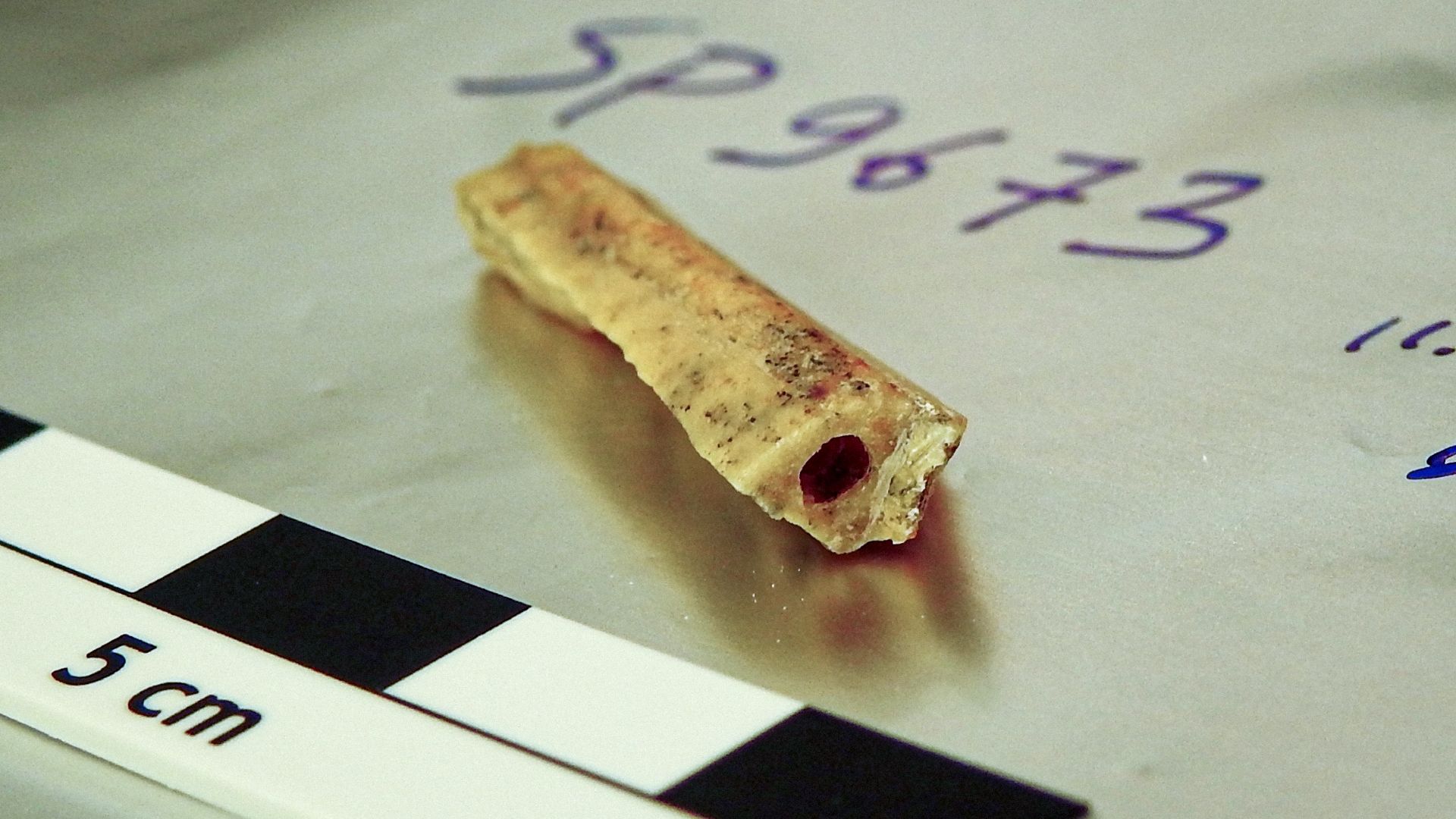
Genetic evidence from a 110,000-year-old Neanderthal bone fragment is sharpening the picture of how small and Altai populations may have been. The known as D17, was recovered from Denisova Cave and compared with D5, a female Neanderthal from the same site who lived roughly 10,000 years earlier.
The comparison did not identify D5 as a direct ancestor. Instead, it showed that the two individuals belonged to related lineages linked by a more distant common ancestor. That finding points to a long-term Neanderthal presence across the wider Altai landscape rather than a single continuous group occupying one cave.
Just as striking is the degree of revealed by the genomes. The Altai communities appear to have been tiny, heavily inbred populations, with some parental relationships as close as first cousins. The study therefore suggests that Neanderthals were capable of surviving for long periods under extreme demographic pressure while also relatively quickly from western Eurasian groups.
Key words from this story
Study card
Useful chunks for daily speech
Save chunk