
B1-B2
Cave DNA Connects Two Neanderthals Across 10,000 Years
A mid-level report on lineage, long-term presence, and isolation in Altai groups.
Based on source story: 2 Neanderthals present at same Siberian cave 10,000 years apart were distant relatives, 110,000-year-old bone reveals from Live Science
Change level
Open the same story in another CEFR level whenever you want an easier or harder version.
Tip
Select any word in the English text to open the word pop-up with translation, audio, and save options.
Play browser audio
Browser audio
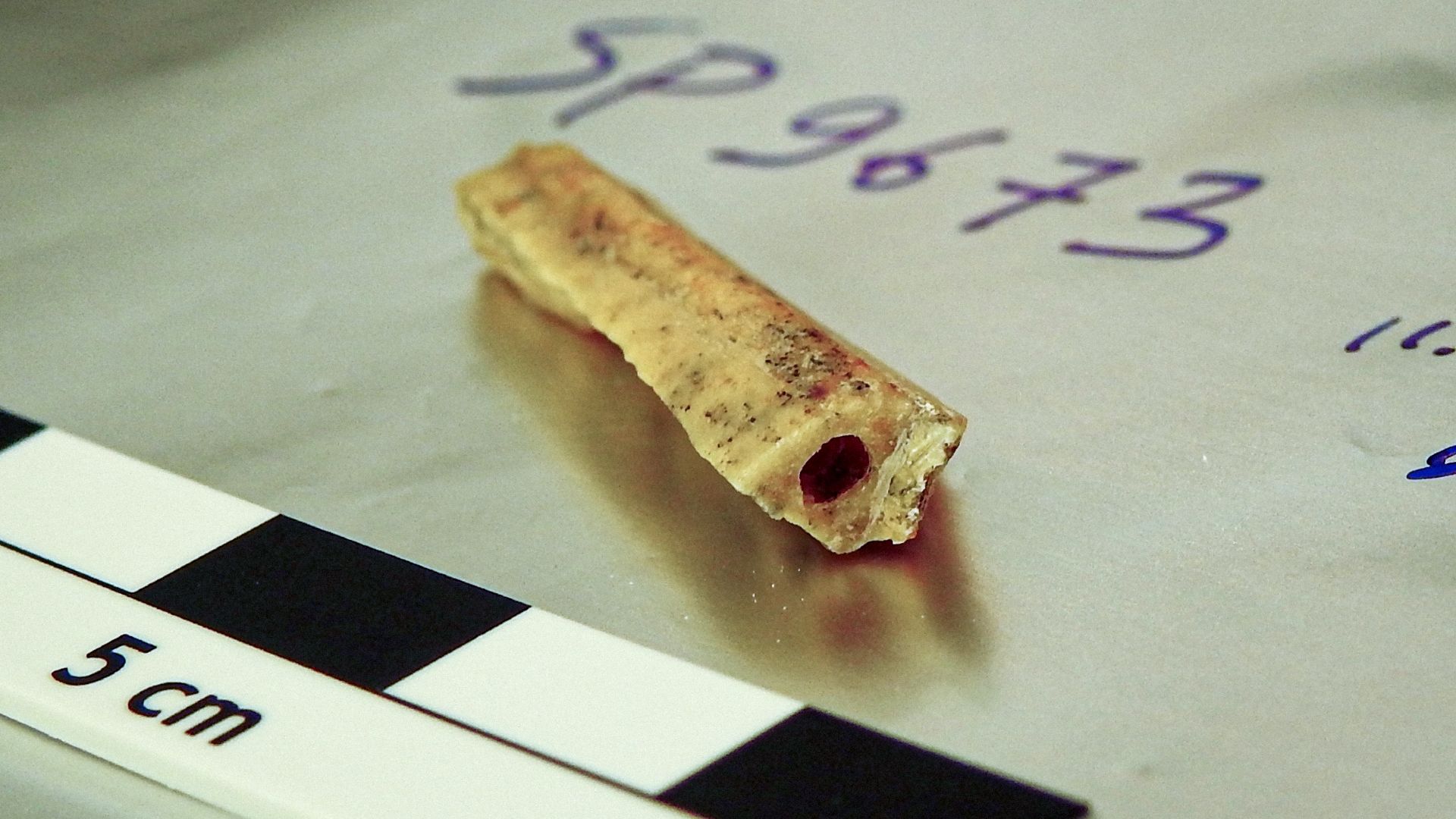
A new genetic study of a tiny bone from Denisova Cave suggests that two Neanderthals who used the site 10,000 years apart belonged to closely connected The bone came from a male known as D17, who lived about 110,000 years ago. Researchers compared his genome with that of a female called D5 from the same cave.
D5 was not a direct of D17, but the analysis showed that both individuals were tied to a common ancestral line. That result supports the idea that Neanderthals returned to the Altai region over a long period instead of representing one short occupation of the cave.
The study also found strong signs of The Altai groups seem to have been extremely small, sometimes with parents as closely related as first cousins. Researchers say these conditions help explain both the heavy seen in the DNA and the growing genetic difference between Altai and later European Neanderthals.
Key words from this story
Study card
Useful chunks for daily speech
Save chunk