
C1-C2
A Child Survivor's Narrative Shapes the Meaning of a West Bank Shooting
An advanced version that keeps the same chronology while sharpening legal and factual distinctions. A proficient-level rendering of the same report with fuller nuance and attribution.
Based on source story: 'My mother cried out one last time': Palestinian boy, 12, describes how Israeli forces killed his family in car from BBC News
Change level
Open the same story in another CEFR level whenever you want an easier or harder version.
News language
Switch this story between the English lesson and the translation in your selected site language.
Play browser audio
Browser audio
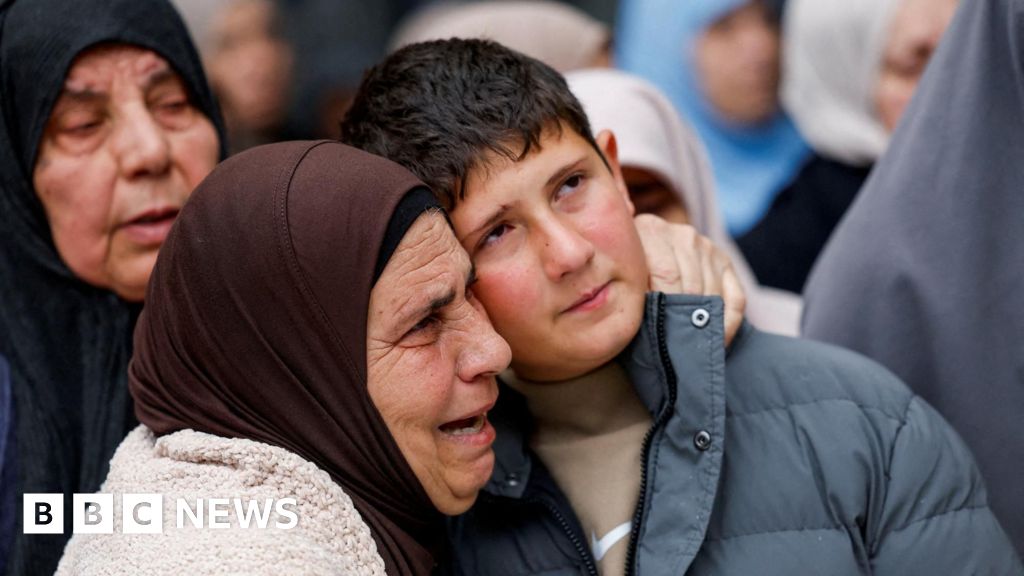
Khaled Bani Odeh, a 12-year-old Palestinian boy, has described in detail the moment he says Israeli forces opened fire on his family's car in the occupied West Bank, killing his parents and two of his brothers. The family had been returning from shopping and dinner in Nablus ahead of the Eid al-Fitr holiday when the shooting happened shortly after midnight near Tammun. Among the dead was seven-year-old Othman, who was blind and disabled. Khaled recalled hearing his mother cry out and his father recite the Shahada before both fell silent.
He also said that when soldiers tried to remove his surviving brother, he and was instead pulled from the vehicle, beaten, and accused of lying about who had been inside. Relatives say the father, Ali Bani Odeh, had recently returned from six weeks of construction work in Israel and had agreed to take the children shopping at their request. For its part, the Israeli army said its troops and Border Police had been conducting an operation in Tammun aimed at arresting people suspected of terrorist activity against Israeli security forces. As a result, Khaled's testimony now sits within a wider and intensely security context.
The account given by 12-year-old Khaled Bani Odeh has become the narrative of a deadly shooting in the occupied West Bank, where he says Israeli forces fired into his family's car as they were returning home from Nablus. In his telling, the attack killed his parents and two younger brothers, including seven-year-old Othman, who was blind and disabled and sitting on his mother's lap. Khaled's recollections of his mother's final cry and his father's last prayer lend the report an immediate emotional force that is difficult to separate from the broader political circumstances surrounding it.
According to Khaled, the violence did not end with the gunfire: he says soldiers dragged him from the vehicle, beat him, and accused him of lying when he identified the other victims as his family members. Relatives have added further context, saying the family was only minutes from home in Tammun and that Ali Bani Odeh had recently returned from construction work in Israel before taking the children on a pre-holiday shopping trip. The Israeli army, however, says its soldiers and Border Police were engaged in an operation to detain people suspected of terrorist activity against Israeli security forces. The resulting tension between a child's narrative and the army's operational is what gives the case its enduring gravity.
Key words from this story
Study card
Useful chunks for daily speech
Save chunk