
C1-C2
In Depth: Property Development In Scotland Turned Up An Ancient Roman Fortlet Sitting Right Beneath The
An advanced version that keeps detail while staying readable for learners.
Based on source story: Property Development In Scotland Turned Up An Ancient Roman Fortlet Sitting Right Beneath The Gardens Of Neighboring Houses from All That's Interesting
Change level
Open the same story in another CEFR level whenever you want an easier or harder version.
Play browser audio
Browser audio
All That's Interesting uses this to examine Property Development In Turned Up An Fortlet Sitting Right Beneath The Of Neighboring Houses. This small fort was part of the Antonine built in 142 C.E. to separate the northernmost reaches of the Empire from lands controlled by local tribes. The post Property Development In Turned Up An Fortlet.
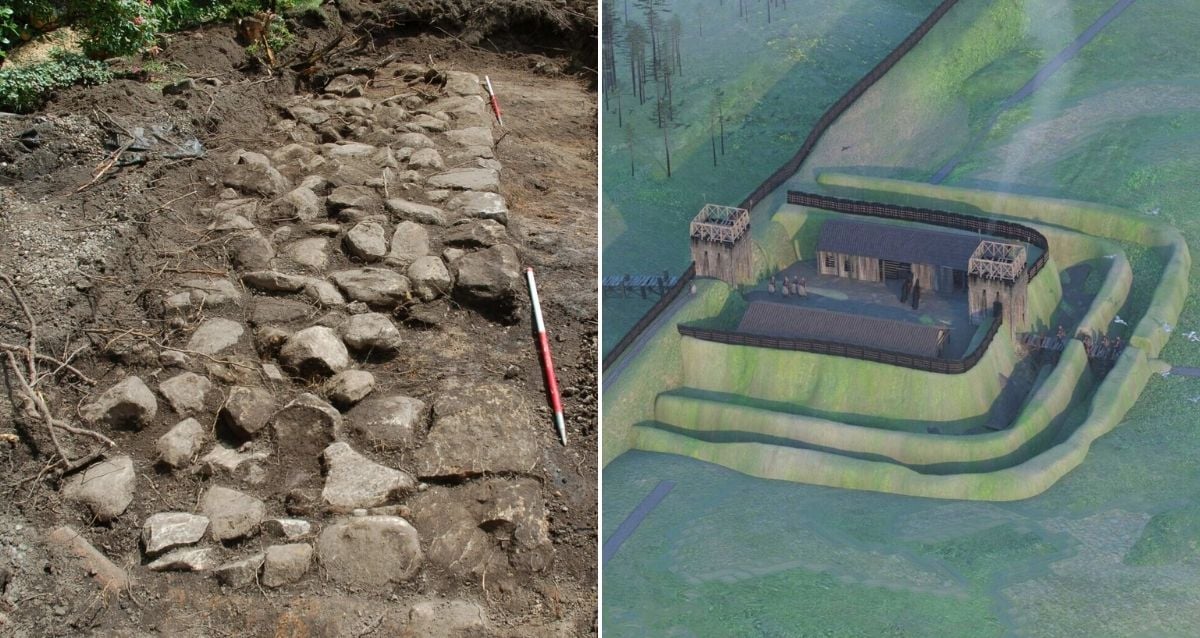
GUARD Archaeology Ltd The stone foundation uncovered in the back garden of a suburban home in Bearsden, Before construction could commence in Bearsden, the East Dunbartonshire Council required a preventive excavation to ensure the protection of any remains that may be hiding beneath the ground.
When archaeologists struck a stone foundation, they investigated further, ultimately digging up the of three adjacent residences along Boclair Road. As lead archaeologist Maureen Kilpatrick noted in a study published in Archaeology Reports Online , Given their location and date, the archaeological remains discovered in the back of Boclair Road are related to the Antonine and it would.
In 142 C.E., near the end of the Pax Romana , Emperor Antoninus Pius ordered the Army to construct the barrier from the mouth of the River Clyde, just north of Glasgow, to the Firth of Forth, north of. The spanned the width of the island, stretching nearly 40 miles, and it marked the northernmost reaches of the Empire.
The closes by linking the event to broader consequences.
Key words from this story
Study card
Useful chunks for daily speech
Save chunk