
C1-C2
Cuba's Blackout Reveals the Full Weight of Strategic Energy Pressure
An advanced article about the blackout, fuel dependency, and policy pressure from Washington. A proficient-level rewrite of the same story with fuller political and economic nuance.
Based on source story: Cuba hit by island-wide blackout amid Trump oil blockade from DW News
Change level
Open the same story in another CEFR level whenever you want an easier or harder version.
News language
Switch this story between the English lesson and the translation in your selected site language.
Play browser audio
Browser audio
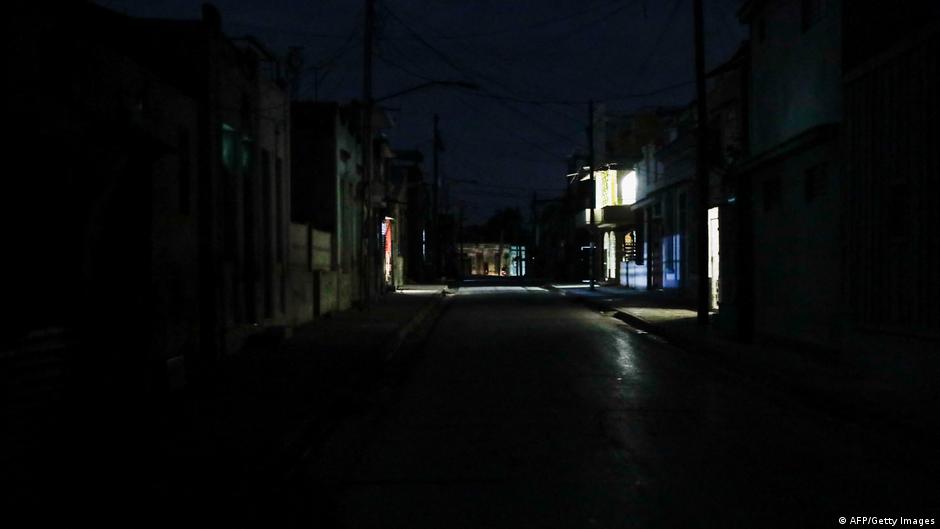
Cuba says it is investigating a nationwide blackout by a complete disconnection of the national electricity grid, the latest sign of a severe energy emergency that has been building for months. Officials have launched restoration protocols, but the scale of the outage underlines how the system has become after repeated power cuts and growing economic hardship. Public anger has already intensified, with demonstrations over electricity shortages and high food prices turning violent last week.
The deeper issue is the collapse of fuel supply. Since the US-backed removal of Nicolas Maduro, the Trump administration has halted Venezuelan oil deliveries that were central to Cuba's energy balance. Trump has also threatened tariffs against countries that continue supplying crude to the island, including Mexico and Russia. President Miguel Diaz-Canel says Cuba has received no oil shipments for three months and is relying on a limited mix of solar generation, natural gas, and old thermoelectric plants. Meanwhile, Havana is holding talks with Washington and considering a policy shift that would allow Cubans living abroad to own and invest in businesses on the island.
The nationwide blackout that struck Cuba on Monday is more than a technical failure; it is the clearest expression yet of a deepening energy crisis shaped by economic weakness, and an aging domestic power system. The government described the outage as a complete disconnection from the national grid and said restoration protocols were being activated while the cause was investigated. Yet the broader context matters just as much as the immediate breakdown: Cuba has already endured long periods of darkness, mounting hardship, and public unrest linked to both electricity shortages and the rising cost of food.
At the center of the crisis is the disruption of imported fuel. Following the US operation that removed Nicolas Maduro, the Trump administration cut off Venezuelan oil shipments that had long supported Cuba's electricity generation. Washington has also threatened tariffs against other suppliers, increasing pressure on countries such as Mexico and Russia. Miguel Diaz-Canel says no oil deliveries have reached Cuba for three months, forcing the island to depend on an combination of solar power, natural gas, and outdated thermoelectric plants. Havana's simultaneous talks with the United States, together with a proposal to let Cubans abroad invest and own businesses, suggest that the blackout may also accelerate a wider rethinking of Cuba's economic model.
Key words from this story
Study card
Useful chunks for daily speech
Save chunk